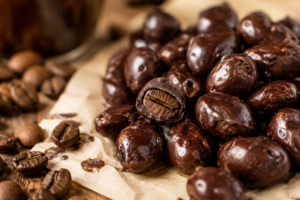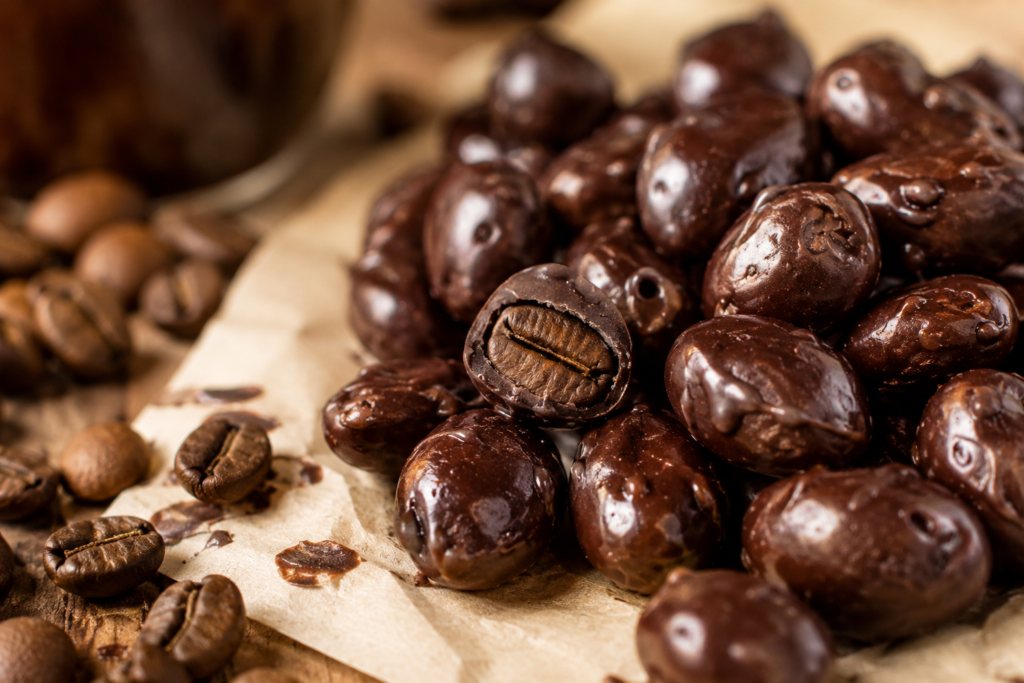
Chocolate-covered espresso beans are the perfect mix of bold coffee flavor and rich, smooth chocolate.
Each bite has a crunchy espresso bean center coated in sweet chocolate, making them a fun little treat for coffee lovers.
They’re popular for snacking, adding to dessert boards, gifting during the holidays, or simply enjoying with an afternoon coffee.
The best part? You only need a few simple ingredients to make them at home.
If you’ve never made them before, don’t worry.
This recipe is quick, easy, and beginner-friendly, but the results taste like something you’d buy from a fancy coffee shop.
Why You’ll Love These Chocolate-Covered Espresso Beans
- Simple and beginner-friendly recipe – You only need a few ingredients and minimal prep to make them at home.
- Perfect balance of bitter espresso and sweet chocolate – The bold coffee flavor pairs beautifully with creamy chocolate for a rich, satisfying bite.
- Great for gifting, snacking, or topping desserts – Enjoy them on their own or use them to decorate cakes, brownies, and ice cream.
- Easy to customize with different chocolates and toppings – Try dark, milk, or white chocolate and add sea salt, cocoa powder, or crushed nuts.
- Naturally energizing treat for coffee lovers – Each crunchy espresso bean gives a small caffeine boost along with plenty of flavor.
What Are Chocolate-Covered Espresso Beans?
Chocolate-covered espresso beans are whole roasted espresso beans coated in a layer of melted chocolate, creating a small treat packed with rich flavor and crunch.
The center stays crisp and slightly crunchy, while the chocolate on the outside adds sweetness and a smooth texture that balances the bold coffee taste perfectly.
If you love coffee, they taste a bit like a strong mocha in bite-sized form.
Many people are surprised to learn that the entire espresso bean is edible, including the crunchy center, since the beans are simply roasted coffee beans.
They do have caffeine, though, because you’re eating the whole bean instead of just drinking brewed coffee.
The amount can vary depending on the type of bean and chocolate used, but a few pieces usually give a gentle energy boost without feeling too strong.
They’re popular as snacks, dessert toppings, and homemade gifts because they’re simple, flavorful, and feel a little fancy without requiring much effort to make.
Ingredients You’ll Need
Main Ingredients
- 1 cup whole roasted espresso beans – Use fresh, good-quality beans for the best flavor and crunch.
- 8 ounces dark chocolate, chopped – Dark chocolate gives the perfect rich balance with the bold coffee flavor.
- 4 ounces milk chocolate (optional) – Adds extra sweetness and a creamier taste.
- 4 ounces white chocolate (optional) – Great for drizzling or creating a sweeter variation.
Optional Add-Ins & Toppings
- 1 tablespoon cocoa powder – Adds a deeper chocolate flavor and light coating.
- 1 teaspoon flaky sea salt – Enhances both the chocolate and coffee flavors.
- 2 tablespoons crushed nuts – Almonds, hazelnuts, or pecans add extra crunch.
- ½ teaspoon ground cinnamon – Gives the beans a warm, cozy flavor.
- 2 tablespoons sprinkles – Fun for holidays, parties, or gifting.
Best Espresso Beans for This Recipe
Dark Roast vs Medium Roast
Dark roast espresso beans are the most popular choice for chocolate-covered espresso beans because they have a bold, rich flavor that pairs beautifully with chocolate.
They usually taste deeper, slightly smoky, and less acidic, which creates that classic coffee shop flavor many people love.
If you want a stronger coffee taste that stands out through the chocolate coating, dark roast is a great option.
Medium roast beans are a little smoother and slightly sweeter, with more balanced coffee notes.
They work especially well if you prefer a milder flavor or plan to use milk or white chocolate.
Neither choice is wrong, so it really comes down to personal taste.
Whole Espresso Beans vs Coffee Beans
This can sound confusing at first, but espresso beans are simply coffee beans that are roasted and often labeled for espresso brewing.
For this recipe, you want whole roasted beans, not ground coffee.
The crunchy texture of the whole bean is part of what makes these treats so satisfying.
Most regular coffee beans can also work perfectly well as long as they are roasted whole beans.
Try to avoid flavored coffee beans if possible, since some added flavors can taste artificial once coated in chocolate.
Recommended Flavor Profiles
Chocolate and coffee naturally pair well together, so certain flavor notes taste especially delicious in this recipe.
Beans with chocolatey, nutty, caramel, or slightly smoky flavors tend to work best because they blend smoothly with the melted chocolate coating.
If you enjoy sweeter flavors, look for beans with hints of vanilla, brown sugar, or hazelnut.
Fruity or citrus-heavy beans can sometimes taste too sharp in this recipe, especially with dark chocolate, so balanced and smooth beans are usually the safest choice for beginners.
Importance of Fresh Beans
Fresh espresso beans make a noticeable difference in both flavor and texture.
Older beans can taste flat, stale, or lose their crunch, which affects the final result.
When the beans are fresh, the coffee flavor tastes richer, and the crunchy center feels much more satisfying to bite into.
If possible, buy beans from a recently opened bag and store them in an airtight container until you’re ready to use them.
Even though this recipe is simple, good-quality fresh beans help the finished treat taste homemade in the best possible way.
Equipment Needed
- Microwave-safe bowl or double boiler – Used to melt the chocolate smoothly without burning it.
- Baking sheet or tray – Gives you a flat surface for the coated espresso beans to set properly.
- Parchment paper – Prevents the chocolate-covered beans from sticking while they cool.
- Fork or spoon – Helps coat and separate the espresso beans easily in the melted chocolate.
How to Make Chocolate-Covered Espresso Beans
Step 1: Melt the Chocolate
Start by melting your chocolate until it becomes smooth and glossy.
If you’re using the microwave, place the chopped chocolate in a microwave-safe bowl and heat it in short 20-second bursts, stirring well after each one.
This helps prevent the chocolate from overheating or turning grainy.
If you prefer, you can also use a double boiler by placing a heat-safe bowl over a pot of gently simmering water.
The steam slowly melts the chocolate and gives you a little more control, which is especially helpful for beginners.
No matter which method you choose, stir often and stop heating as soon as the chocolate is fully melted.
Step 2: Coat the Espresso Beans
Pour the espresso beans into the melted chocolate and stir gently until every bean is evenly coated.
A spoon works well for mixing, but a fork can help separate the beans more easily.
Take your time here so the chocolate covers every little corner.
If the mixture starts looking too thick, let the chocolate sit for a minute to stay smooth and workable.
You can coat the beans lightly for a thinner shell or add extra chocolate for a thicker, richer bite.
Step 3: Separate the Beans
Line a baking sheet or tray with parchment paper, then place the coated beans onto the surface one at a time.
This step helps prevent them from sticking together into large clusters.
It doesn’t have to look perfect, so don’t stress if a few touch slightly.
Using a fork makes it easier to lift the beans out while letting extra chocolate drip away.
If you enjoy a more rustic homemade look, small clusters can actually taste amazing too.
Step 4: Let Them Set
Once the beans are spread out, place the tray in the refrigerator so the chocolate can harden completely.
This usually takes about 15 to 30 minutes, depending on how thick the coating is. The chocolate should feel firm and no longer sticky when ready.
Chilling them also gives the espresso beans an extra satisfying crunch.
If your kitchen is cool, you can let them set at room temperature, but refrigeration is faster and more reliable.
Step 5: Add Optional Toppings
If you want to add toppings like sea salt, cocoa powder, cinnamon, crushed nuts, or sprinkles, do it before the chocolate fully sets.
This helps everything stick nicely to the surface.
A light sprinkle goes a long way, especially with stronger flavors like cinnamon or sea salt.
Mixing different toppings can make the batch feel more fun and personal, especially if you’re making these for gifts or dessert trays.
It’s an easy way to turn a simple homemade treat into something that looks bakery-worthy with very little extra effort.
Tips for the Best Chocolate Covered Espresso Beans
- Use high-quality chocolate – Better chocolate melts more smoothly and gives the beans a richer, more balanced flavor.
- Avoid overheating chocolate – Heat the chocolate slowly and stir often to keep it smooth and glossy instead of thick or grainy.
- Work in small batches – Coating smaller amounts at a time makes it easier to keep the beans evenly covered.
- Chill beans for easier coating – Cold espresso beans help the chocolate set faster and reduce sticking.
- Use two chocolate layers for a thicker coating – Let the first layer harden, then coat the beans again for an extra-rich chocolate shell.
Flavor Variations
Dark Chocolate Espresso Beans
Dark chocolate espresso beans are the classic version and usually the favorite for serious coffee lovers.
The slight bitterness of dark chocolate blends beautifully with the bold roasted espresso beans, creating a rich and balanced flavor that tastes smooth instead of overly sweet.
Using chocolate with a higher cocoa percentage gives the beans a deeper, more intense taste that feels a little more grown-up and café-style.
If you enjoy strong coffee flavors, this variation is hard to beat.
White Chocolate Espresso Beans
White chocolate creates a sweeter and creamier version that feels softer and more dessert-like.
Since white chocolate does not have the same bitterness as dark chocolate, it lets the roasted coffee flavor stand out in a different way while adding a buttery sweetness around the crunchy bean.
These are especially fun for holidays, dessert platters, or homemade gifts because the white coating looks beautiful with sprinkles or a light dusting of cinnamon.
If regular coffee tastes too strong for you, this is a great beginner-friendly option.
Mocha Espresso Beans
For a richer chocolate flavor, try making mocha espresso beans by adding a little cocoa powder to the melted chocolate before coating the beans.
This gives them a deeper, more intense mocha taste that feels similar to a fancy coffee shop drink in crunchy snack form.
You can even drizzle milk chocolate over dark chocolate-coated beans for extra layers of flavor.
This variation is perfect if you love chocolate just as much as coffee and want both flavors to stand out equally.
Cinnamon Chocolate Espresso Beans
A small sprinkle of cinnamon adds warmth and makes the espresso beans taste extra cozy.
The flavor pairs naturally with both coffee and chocolate, giving the beans a slightly spiced finish without overpowering the rest of the recipe.
This version feels especially comforting during colder months and works wonderfully with dark or milk chocolate.
Even a tiny amount of cinnamon can make the whole batch smell incredible while the chocolate sets.
Sea Salt Espresso Beans
Adding flaky sea salt on top may sound simple, but it completely changes the flavor in the best way.
The salt helps balance the sweetness of the chocolate while bringing out the bold coffee notes hidden inside the bean.
Each bite tastes richer, smoother, and a little more gourmet with almost no extra effort.
A light sprinkle is all you need, and it works beautifully with dark chocolate for that sweet-and-salty combination people love.
How Much Caffeine Is in Chocolate-Covered Espresso Beans?
Chocolate-covered espresso beans may be small, but they do contain a noticeable amount of caffeine because you are eating the entire roasted coffee bean instead of only drinking brewed coffee.
On average, one chocolate-covered espresso bean contains around 6 to 13 milligrams of caffeine, depending on the type of bean, roast level, and chocolate used.
That means a small handful can add up fairly quickly.
For comparison, a regular 8-ounce cup of coffee usually contains around 80 to 100 milligrams of caffeine, so eating several espresso beans can feel similar to drinking part of a cup of coffee.
Most people enjoy them as a quick snack or afternoon pick-me-up rather than eating large amounts at once.
If you are sensitive to caffeine, it’s a good idea to start with just a few beans and see how you feel.
They’re delicious and easy to snack on, so moderation helps you enjoy the flavor and energy boost without overdoing it.
How to Store Chocolate-Covered Espresso Beans
Store in an airtight container
Once the chocolate-covered espresso beans are fully set, transfer them to an airtight container to help keep them fresh and crunchy.
Exposure to air can cause the chocolate to lose its smooth texture over time, and the espresso beans may start tasting stale more quickly.
Glass jars, reusable food containers, or sealed snack bags all work well.
If you’re making them as gifts, small mason jars or decorative tins make them look extra special while keeping them protected.
Keep in a Cool, Dry Place
Chocolate melts easily, so it’s best to store the beans somewhere cool and dry away from direct sunlight or heat.
A pantry or kitchen cupboard usually works perfectly as long as the room is not too warm.
Humid spaces can sometimes cause the chocolate to develop a light white coating called chocolate bloom.
It’s still safe to eat, but the texture and appearance are not quite as nice.
Keeping the beans in a stable, cool environment helps them stay smooth and glossy longer.
Refrigeration Tips
If your kitchen tends to get warm, storing the beans in the refrigerator is a good idea.
Place the airtight container in the fridge to prevent the chocolate from softening or melting.
Before eating, let the beans sit at room temperature for a few minutes so the chocolate can soften slightly and the flavors become more noticeable.
Avoid leaving the container open in the fridge because chocolate can absorb nearby odors surprisingly easily.
Shelf Life Expectations
Homemade chocolate-covered espresso beans usually stay fresh for about 2 to 3 weeks when stored properly.
In the refrigerator, they can sometimes last even longer while still tasting great.
The chocolate helps protect the roasted beans, but fresher batches always have the best flavor and crunch.
Since they’re easy to make and disappear quickly once people start snacking on them, you may not need to store them for very long anyway.
Ways to Use Chocolate-Covered Espresso Beans
- Snack on their own – Enjoy them as a quick sweet coffee treat with a satisfying crunch and little caffeine boost.
- Add to ice cream – Sprinkle them over ice cream for extra texture and rich mocha-like flavor.
- Use as dessert toppings – Add them to brownies, cakes, cheesecakes, or cupcakes for a fun coffee-inspired finish.
- Include in gift baskets – Package them in jars or bags for an easy homemade gift that coffee lovers will appreciate.
- Pair with coffee drinks – Serve them alongside lattes, cappuccinos, or hot chocolate for a cozy café-style treat at home.
Common Mistakes to Avoid
- Using wet utensils with chocolate – Even a small amount of water can cause melted chocolate to become thick and grainy.
- Overheating chocolate – Heating chocolate too quickly can burn it and ruin the smooth texture.
- Clumping beans together – Separate the coated beans on the tray so they harden individually instead of sticking in large clusters.
- Using stale espresso beans – Fresh roasted beans give the best crunch and strongest coffee flavor.
Final Thoughts
Chocolate-covered espresso beans are one of those simple treats that feel extra special with very little effort.
They combine rich chocolate, bold coffee flavor, and a satisfying crunch in every bite, making them perfect for coffee lovers of all kinds.
Don’t be afraid to experiment with different chocolates, toppings, and flavor combinations to make them your own.
FAQs
Can You Eat Whole Espresso Beans?
Yes, roasted espresso beans are completely edible and safe to eat, including the crunchy center.
Are Chocolate-Covered Espresso Beans Strong?
They have a bold coffee flavor and contain caffeine, so the strength depends on how many you eat.
What Chocolate Works Best?
Dark chocolate is usually the best choice because it balances the rich coffee flavor without being overly sweet.
Do They Need to Be Refrigerated?
Not always. Store them in an airtight container in a cool, dry place, but refrigerate them if your kitchen is warm.
Can I Use Regular Coffee Beans?
Yes, as long as they are whole roasted coffee beans, they will work well for this recipe.

Hi, I’m Selene Veyra! I’m the coffee-loving creator of Brewed Moments. My passion for coffee began in my grandmother’s kitchen, where her morning brew sparked a lifelong love for the beverage. Now I test brewing methods, gear, and homemade café-style recipes to make great coffee simple for everyone ☕