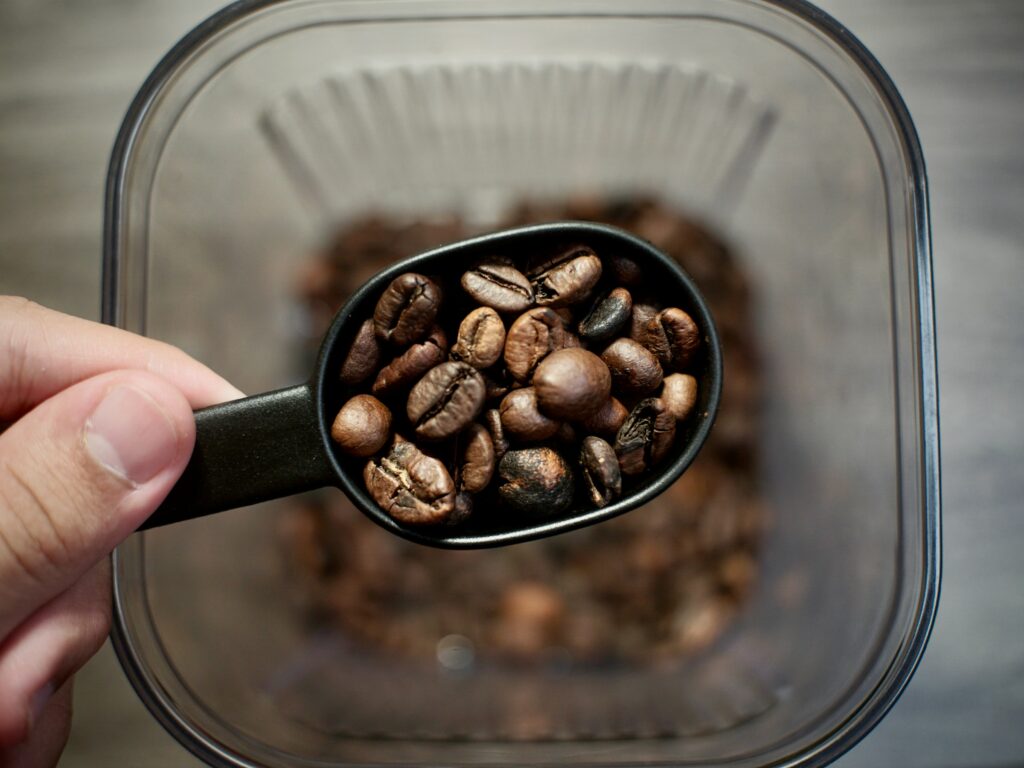
Nothing kills a good cup of coffee faster than stale beans. The flavor fades, the aroma disappears, and suddenly your morning ritual feels like watered-down déjà vu.
Here’s the kicker: coffee beans start losing their freshness just days after roasting. That’s right—by the time you’re halfway through the bag, the taste may already be slipping.
The good news? With the right storage tricks, you can keep every scoop tasting rich and full-bodied.
In this guide, we’ll look at common mistakes that ruin coffee beans and the simple steps that actually keep them fresh!
Why Freshness Matters
Freshness is the heartbeat of good coffee, and once it fades, so does everything you love about your cup.
Coffee beans are packed with delicate flavor compounds and natural oils that start breaking down the moment they’re roasted, which is why an old bag of beans never hits the same way as a fresh one.
The real villains are oxygen, moisture, light, and heat because they sneak in and speed up the staling process, leaving you with flat, lifeless brews instead of bold, aromatic ones.
Think of it like leaving bread out on the counter: it doesn’t take long before it’s dry, bland, and disappointing.
Keeping beans fresh isn’t just about taste either; it’s about consistency and even health benefits, since fresh coffee contains more of those antioxidant-rich compounds that get lost as beans age.
In short, when you protect your beans from the elements, you protect the experience—full flavor, balanced aroma, and the kind of cup that makes mornings feel less like a chore and more like a reward.
Common Storage Mistakes (What Not to Do)
Leaving Beans in the Original Paper/Plastic Bag
Most coffee bags look fancy, but they’re terrible long-term homes for your beans. Paper and thin plastic let air, light, and even odors sneak in.
That’s why beans left in their original bag often taste flat before you finish them.
Unless the bag has a proper one-way valve and airtight seal, transfer those beans into a real container as soon as you open them.
Think airtight canisters or dark glass jars—something built to keep air out and flavor in.
Storing Beans in the Fridge or Freezer Incorrectly
This is one of the most common traps. People think colder equals fresher, but coffee doesn’t play by those rules. In the fridge, beans soak up smells like a sponge—garlic, onions, even last night’s leftovers.
Freezers can work, but only if you portion beans into airtight bags and never thaw and refreeze them.
If you just toss the bag in and grab handfuls every day, condensation ruins the beans and dulls the flavor.
Keeping Beans Near Heat Sources
Heat is a silent killer of freshness. Storing coffee near your stove, oven, or even on a sunny windowsill speeds up the breakdown of oils and compounds.
You’ll end up with beans that taste bitter or “off.” The best spot is somewhere cool, dry, and away from direct light—like a cupboard or pantry.
Basically, if it’s a place where chocolate would melt, your coffee doesn’t belong there.
Buying Coffee in Bulk Without Proper Storage
It’s tempting to grab the giant bag on sale, but unless you drink coffee like it’s water, bulk buying often backfires.
Beans lose their peak flavor quickly, and by the time you reach the bottom of that bag, the magic is gone. If you do buy in bulk, split the beans into smaller airtight containers and only open one at a time.
That way, you keep the rest shielded from air and moisture until you’re ready to use them.
Best Practices for Storing Coffee Beans
A. Use an Airtight Container
Air is the number one enemy of coffee freshness, so the container you choose makes all the difference.
Mason jars can work if they’re sealed tightly, but vacuum-sealed canisters are even better since they actively push air out.
Just skip the clear containers—even if they look nice on the counter—because light sneaks in and speeds up the aging process.
If you love the look of glass, go for tinted or opaque versions that keep your beans safe in the dark.
B. Keep Them Cool and Dark
Coffee thrives in a stable, cool environment. The sweet spot is around room temperature, not too hot and not too cold—think 60–75°F (15–24°C).
Avoid sunny counters or cupboards above the stove, because heat and light slowly roast your beans all over again. A dark pantry or a kitchen cabinet away from appliances is perfect.
C. Avoid Moisture
Moisture is like kryptonite for coffee beans. When water sneaks in, it triggers condensation that makes oils break down, clumps the beans, and destroys delicate flavors.
That’s why scooping beans with a damp spoon is a fast track to stale coffee. Always use dry, clean utensils, and never leave containers open on a humid day.
A tight seal keeps the moisture out, and your coffee still tastes delicious.
D. Store in Small Batches
Even with the best container, beans lose freshness every time you open them. That’s why it pays to divide large bags into smaller airtight containers.
Keep one handy for daily use, and stash the rest sealed tight until you’re ready.
Aim to only open what you’ll use in a week or two—this way, every brew tastes like it came straight from the roaster.
Should You Freeze Coffee Beans?
Freezing coffee beans is one of those debates that splits coffee lovers right down the middle.
On one hand, it can be a lifesaver if you’ve stocked up on beans and don’t want them to go stale before you’ve had the chance to brew through them.
Cold temperatures slow down the natural aging process, which means you can keep beans tasting fresher for longer, especially handy if you like to buy specialty coffee in larger amounts or only drink it occasionally.
But here’s the catch: freezing isn’t foolproof. The biggest risk is condensation.
Every time beans go from freezer to room temperature, a little moisture builds up, and that water messes with the oils and flavors that make coffee taste good in the first place.
If you thaw and refreeze beans, the problem only gets worse, leading to a brew that tastes muted or “off.”
As we mentioned earlier, coffee is a lot like bread in this way—freeze it once, portion correctly, and it’s fine. Keep pulling it in and out, and it turns sad fast.
The best way to freeze beans is to do it with intention. Divide them into airtight bags or small vacuum-sealed portions before freezing so you only ever thaw what you’ll use in about a week.
That way, you get the benefits of longer storage without sacrificing flavor. Done right, freezing can be a solid backup plan, but it should never replace good everyday storage habits.
How Long Do Coffee Beans Stay Fresh?
When it comes to freshness, whole beans always outlast ground coffee because grinding exposes more surface area to air, and air is what speeds up staleness.
As a rule of thumb, coffee is at its best within 2–4 weeks of roasting, when the oils and flavors are still lively and balanced.
With proper storage —an airtight container, cool, dark place—you can usually stretch that to around two months before the quality noticeably drops.
Ground coffee, on the other hand, starts losing its punch just days after grinding, which is why pre-ground coffee often tastes flat compared to freshly ground.
You’ll know your beans are stale when the smell is faint instead of bold, the taste feels thin or dull instead of rich, and if you’re pulling espresso, the crema comes out weak and bubbly rather than thick and golden.
Extra Tips for Maximum Freshness
Buy Whole Beans, Grind Just Before Brewing
Whole beans stay fresh longer, while ground coffee starts losing flavor almost immediately.
If you want the richest cup, keep beans whole and grind right before brewing. It’s the single easiest way to taste the difference.
Buy Smaller Amounts More Often
It might feel convenient to stock up, but coffee isn’t like canned soup—it doesn’t improve with age. Smaller, frequent purchases mean you’re always brewing from fresher beans.
Think of it as treating coffee like produce: buy what you’ll use soon, not a year’s supply that ends up tasting like dust.
Invest in a Burr Grinder and Quality Storage Container
A burr grinder is a game-changer because it produces even grounds, which makes your coffee taste more balanced.
Pair it with a solid airtight container—preferably opaque or vacuum-sealed—and you’ll notice your beans stay flavorful much longer. It’s an upfront investment that pays you back in every cup.
Label Containers with Roast/Purchase Date
Freshness is easy to lose track of, especially if you keep multiple bags or containers. A quick label with the roast or purchase date keeps you honest.
It helps you rotate beans before they go stale, and it also gives you a better sense of how long your coffee really lasts in your home setup. Sometimes, the simplest system is the most effective.
Final Words
Keeping coffee fresh isn’t rocket science—it’s all about protecting your beans from air, light, heat, and moisture.
Small changes, like airtight containers and buying just what you need, can turn a flat cup into a full-flavored one. Better storage means better mornings, plain and simple.
Try tweaking how you keep your beans today, and tomorrow’s brew might just taste like it came straight from the café!
FAQs
Can I store coffee in the fridge?
Not a great idea. Coffee absorbs odors easily, so it’ll end up tasting like last night’s leftovers. Stick to a cool, dark pantry instead.
Do vacuum-sealed bags really work?
Yes, they help a lot. By removing oxygen, they slow down the staling process. Just remember to keep them in a dark place away from heat.
Is ground coffee storage the same as whole beans?
Nope. Ground coffee loses freshness much faster because more surface area is exposed to air. Whole beans always stay fresh longer.
How do I know if my coffee has gone bad?
Trust your senses. If the smell is weak, the flavor is flat or bitter, or the espresso crema looks thin and bubbly, the beans are past their prime.
Can reusable coffee bags keep beans fresh?
They can if they’re airtight and opaque. Look for ones with a one-way valve to release gas without letting air in. Otherwise, use a proper canister for best results.

Hi, I’m Selene Veyra! I’m the coffee-loving creator of Brewed Moments. My passion for coffee began in my grandmother’s kitchen, where her morning brew sparked a lifelong love for the beverage. Now I test brewing methods, gear, and homemade café-style recipes to make great coffee simple for everyone ☕


