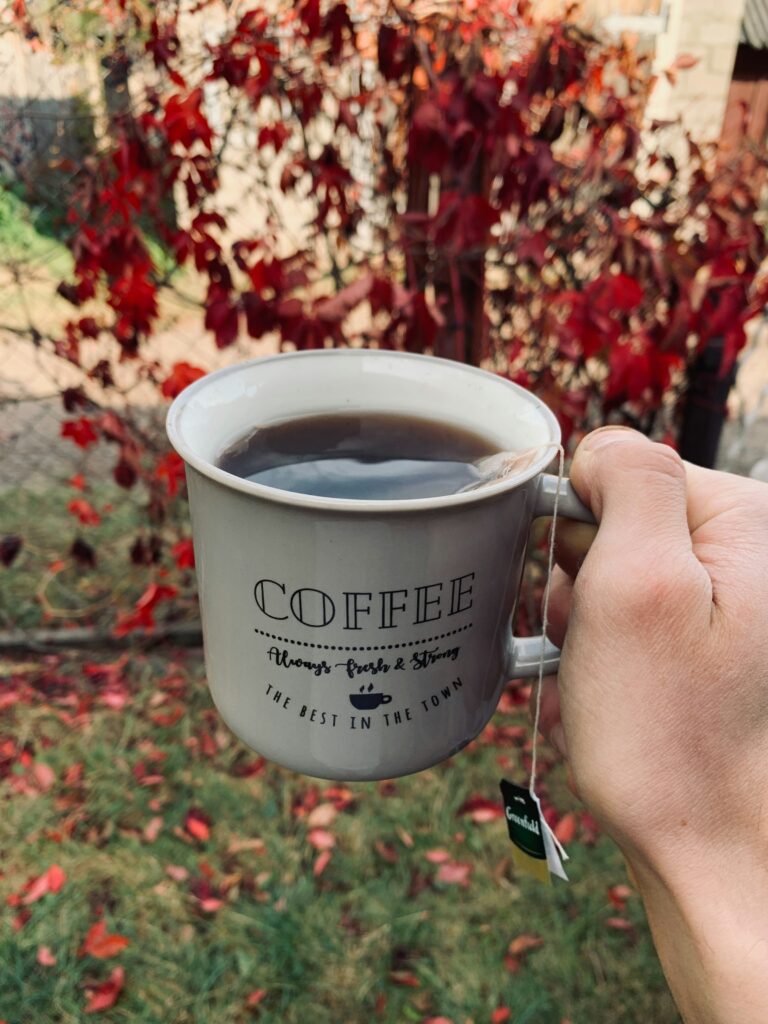
Ever woken up craving coffee, only to realize you have zero equipment?
No machine, no filters, not even a forgotten French press hiding in the cupboard. It feels like standing in the rain without an umbrella.
Good news, you can still brew a solid cup with nothing but basic household items. A bowl, a spoon, a paper towel… they all pull more weight than you think. And yes, it actually tastes good.
These simple methods shine when you’re traveling, camping, or stuck in a power outage.
They’re also perfect if you’re embracing a minimalist setup or just don’t feel like pulling out all your gear. Let’s turn “no equipment” into “no problem.”
What You Do Need (Even With No Equipment)
You don’t need fancy gadgets to make coffee, but you still need a few basics. Freshly ground coffee works best, but instant coffee is great in a pinch.
You’ll also need hot water—nothing complicated, just water heated on a stove, kettle, or even a campfire.
A few optional helpers can make things easier: a spoon, a bowl or cup, some paper towels, or a clean reusable cloth.
Method 1: Cowboy Coffee (The Classic No-Equipment Brew)
Cowboy coffee is as simple as it gets. Coffee grounds are boiled in water and left to settle. No filters. No gadgets. Just a strong, bold cup that gets the job done.
How to make it:
- Add 1–2 tablespoons of ground coffee to a small pot or heatproof bowl.
- Pour in 1 cup of hot water and bring it to a gentle simmer.
- Let it bubble for about 1–2 minutes.
- Remove from heat and let the grounds settle at the bottom for a minute.
- Slowly pour the coffee into your mug, leaving the settled grounds behind.
Tips to reduce bitterness and stray grounds:
- Don’t let the coffee boil too long—it extracts bitterness fast.
- Add a splash of cold water at the end to help the grounds sink.
- Use medium or coarse grounds if possible—they settle more easily.
Perfect for:
Anyone camping, traveling light, or stuck without equipment who still wants a strong, straightforward cup. It’s rugged, fast, and surprisingly satisfying.
Method 2: Coffee Bag Method (DIY Coffee Teabag)
The DIY coffee bag is basically a homemade teabag for coffee that is simple, tidy, and great when you want fewer grounds floating around. A paper towel, cheesecloth, or a clean reusable cloth all work.
How to make the “coffee bag”:
- Place 1–2 tablespoons of ground coffee in the center of your paper towel or cloth.
- Fold the sides inward and wrap it tightly into a small pouch.
- Tie it with a string or twist it closed so the grounds stay inside.
Step-by-step instructions:
- Place your homemade coffee bag into a mug.
- Pour hot water over it until the cup is full.
- Let it steep for 3–5 minutes.
- Remove the bag and give the mug a quick stir.
Adjusting the strength:
- Steep longer for a stronger cup.
- Use more grounds for a bolder brew.
- Use fewer grounds or a shorter steep for a lighter taste.
Pros:
- Clean, simple, and low-mess.
- Minimal grounds in your cup.
- Easy to adjust flavor.
Cons:
- Paper towels may break if too thin.
- Coffee doesn’t extract as deeply as other methods.
- Cloth can absorb some flavor and oils.
Method 3: Strainer-Free Pour-Over (Using a Paper Towel or Cloth Filter)
This method works like a classic pour-over, but just without the actual pour-over gear. A paper towel, napkin, or clean cloth becomes your makeshift filter, giving you a smoother cup with fewer grounds.
How to improvise the filter:
- Place a paper towel or cloth inside a mug or small bowl, pressing it down to form a pocket.
- Fold the edges over the rim to keep it in place.
- If using a cloth, make sure it’s clean and free of strong detergent scents.
How to safely pour hot water:
- Pour slowly and steadily to avoid spills.
- Use a kettle with a controlled spout if possible, or ladle hot water carefully.
- Don’t overfill, as paper towels can tear if water pools too heavily.
Step-by-step brew guide:
- Add 1–2 tablespoons of coffee grounds into your makeshift filter.
- Pour a small splash of hot water to wet the grounds (this “blooms” the coffee).
- Slowly add more hot water in circles until your mug fills.
- Let the water drain completely through the filter.
- Lift the paper towel or cloth and discard the used grounds.
Flavor profile & best grind size:
- Expect a clean, smooth cup similar to pour-over.
- Medium grind works best because fine grounds can clog the filter, and coarse grounds may brew too lightly.
- Coffee will be mild, balanced, and less gritty than cowboy coffee.
Method 4: Cold Brew Without Equipment
Cold brew is one of the easiest no-equipment methods because it doesn’t rely on heat, pressure, or fancy tools. You just mix, wait, and strain.
The slow extraction creates a smooth, low-acid cup that’s hard to mess up.
How to mix it:
- Add 1/4 cup of coarse coffee grounds to any jar, bowl, or container you have on hand.
- Pour in 1 cup of cold or room-temperature water.
- Stir well to make sure all the grounds are soaked.
Steeping time:
- Cover and let it sit for 12–18 hours on the counter or in the fridge.
- Longer steeping makes a stronger concentrate.
Straining options (using common items):
- Pour through a paper towel placed over a mug or bowl.
- Use a clean cloth or napkin as a makeshift filter.
- Let the coffee settle, then pour slowly to leave the grounds behind.
- If you have none of the above, repeat the pour-and-settle method twice for a cleaner cup.
Method 5: “Turkish-Style” Improvised Coffee
This method mimics traditional Turkish coffee but keeps things simple. You boil fine coffee grounds directly in water, creating a strong, rich brew with a thick layer of settled grounds at the bottom.
How to make it:
- Add 1 teaspoon of very fine coffee grounds to a small pot or heatproof bowl.
- Pour in 1 cup of water and stir to combine.
- Bring it to a gentle simmer, then remove from the heat just before it boils over.
- Let it sit for 1–2 minutes so the grounds can settle.
Serving tips:
- Pour slowly into your mug to avoid disturbing the settled grounds.
- Don’t drink the last sip because it’s meant to stay behind.
- Add sugar before heating if you want it sweet; it won’t dissolve well afterward.
Flavor expectations:
- Expect a bold, intense cup with a thicker mouthfeel.
- Some sediment is normal—it’s part of the experience.
- The flavor is deep, earthy, and closer to traditional Turkish or Middle Eastern coffee styles.
Bonus: Instant Coffee Hacks (If You Have Absolutely Nothing)
Instant coffee is your no-fuss backup plan when you truly have nothing to work with. It’s quick, dependable, and only needs hot water. But with a few tweaks, it can taste a whole lot better.
Making It Taste Better
A tiny pinch of sugar or a splash of milk can smooth out bitterness instantly. You can also mix in a bit of cinnamon or cocoa for extra flavor.
And here’s a simple trick: use hot, not boiling water to avoid harsh, burnt notes.
Adding Froth Without Equipment
You don’t need a frother to get foam. Whisk your coffee vigorously with a spoon until bubbles form.
Or shake it in a jar with a tight lid for 10–15 seconds to create a light, creamy layer. Even quick, zigzag stirring can whip up a bit of froth.
When This Is the Easiest Option
Instant coffee shines when you’re traveling, camping, or stuck without any tools at all.
It’s perfect when you’re in a rush or simply want a guaranteed, consistent cup without any brewing experiments. Sometimes the simplest option really is the smartest one.
Tips for Better No-Equipment Coffee
Making great coffee without gear is totally possible, but you just need a few smart tweaks. These tips help you get a cleaner, smoother, and more flavorful cup, no matter which method you choose.
Choose the Right Grind
Medium to coarse grounds work best for most no-equipment methods. They settle easier, brew more evenly, and create less grit.
Fine grounds are great for “Turkish-style” coffee, but can make other methods muddy.
Avoid Over-Extraction
Use hot but not boiling water. Boiling water pulls out bitterness fast. Aim for water that’s just off the boil, and don’t let your coffee steep too long unless you want a stronger, sharper cup.
Reduce Sediment
Let your coffee rest for a minute so the grounds can sink. Pour slowly to avoid disturbing them.
If you’re using a paper towel or cloth, don’t rush the pour—slow drainage means fewer grounds in your mug.
Get the Right Ratio
A simple guideline is 1–2 tablespoons of ground coffee per 1 cup of water. Use more for a bold brew and less for a light one. Cold brew can handle extra grounds since it extracts slowly.
Optional Flavor Boosters
Give your coffee a little personality with a pinch of cinnamon, cocoa, sugar, or even a drop of vanilla.
These small additions can soften bitterness and make your no-equipment cup feel more intentional and cozy.
Common Mistakes to Avoid
Even simple brewing methods can go sideways if you’re not careful. Here are the most common slip-ups and how to avoid them.
Using Boiling Water
Pouring boiling water directly onto coffee can scorch the grounds and create a bitter, harsh flavor. Let the water cool for 20–30 seconds before brewing for a smoother cup.
Using Too Fine a Grind for DIY Filters
Fine grounds clog paper towels and cloth filters, slowing drainage and leaving you with gritty coffee. Stick to medium or coarse grounds unless you’re making a Turkish-style brew.
Not Allowing Grounds to Settle
Skipping the settling time leads to extra sediment in your cup. Give your coffee a quick rest before pouring or drinking to let the grounds sink naturally.
Using Too Much or Too Little Coffee
The wrong ratio can make your brew taste weak or overly intense. Aim for 1–2 tablespoons of coffee per cup of water, then adjust to match your preferred strength.
Final Words
Brewing coffee without equipment isn’t a magic trick; it’s just a little creativity mixed with hot water.
Pick the method that fits your moment, whether you’re camping, traveling, or staring at an empty countertop, wondering where your gear disappeared to.
Great coffee doesn’t need fancy machines. Sometimes the simplest setup delivers the biggest surprise.
FAQs
Can I make coffee with whole beans only?
Not really. Whole beans need to be ground to extract flavor. If you’re stuck, you can crush them with a rolling pin or heavy object, but it won’t brew as well as properly ground coffee.
Is paper-towel coffee safe?
Yes, as long as the paper towel is clean and unscented. Avoid ones with printed designs or strong fragrances.
Can I brew coffee with cold water fast?
Not fast. Cold water needs time—about 12–18 hours—to extract enough flavor. If you need coffee now, choose a hot method.
What is the best grind size when improvising?
Medium to coarse grounds work best for most no-equipment methods. Fine grounds are only ideal for Turkish-style coffee.

Hi, I’m Selene Veyra! I’m the coffee-loving creator of Brewed Moments. My passion for coffee began in my grandmother’s kitchen, where her morning brew sparked a lifelong love for the beverage. Now I test brewing methods, gear, and homemade café-style recipes to make great coffee simple for everyone ☕


